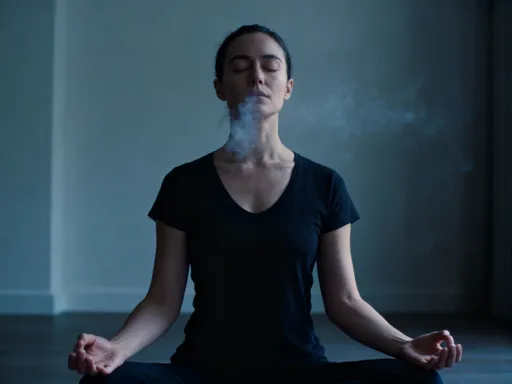
Breathe Like Your Brain Depends on It—Because It Does
Ever feel like your mind’s running on empty? Many do—overthinking, overwhelmed, stuck in their heads. Then they try something simple: breathing on purpose. Not just any way, but with science-backed rhythm. Turns out, how you breathe directly shapes your mood, focus, and stress levels. This isn’t mystical—it’s neurobiology. Research shows that conscious breathing recalibrates the nervous system, improves oxygen delivery, and enhances brain function. Let’s explore how this most basic act, when done with awareness, becomes one of the most powerful tools for long-term mental and physical well-being. The breath you take right now may be shaping your health more than you realize.
The Hidden Power of a Basic Act
Human beings breathe approximately 20,000 times a day, yet few give it a second thought. Breathing is automatic, yes—but that doesn’t mean it’s always optimal. In fact, many people engage in what health professionals call dysfunctional breathing: shallow, rapid, and centered in the chest rather than the diaphragm. This pattern, often unnoticed, keeps the body in a persistent state of low-level stress. When breath stays short and high in the chest, it signals the brain that danger is near—even when none exists. This triggers the sympathetic nervous system, the same system responsible for the fight-or-flight response, leading to elevated heart rate, muscle tension, and increased cortisol levels.
Over time, chronic shallow breathing contributes to a cascade of negative health outcomes. It reduces the amount of oxygen delivered to vital organs, including the brain, which thrives on consistent oxygen flow. Poor breathing also alters blood chemistry by decreasing carbon dioxide levels too drastically, leading to respiratory alkalosis—a condition that can cause dizziness, tingling in the extremities, and even anxiety symptoms. While carbon dioxide is often thought of as a waste gas, it plays a crucial role in helping oxygen detach from hemoglobin and enter tissues. When CO₂ levels drop too low due to over-breathing, oxygen remains bound, starving cells despite ample air intake. This phenomenon, known as the Bohr effect, underscores why how we breathe matters just as much as how much we breathe.
The good news is that breathing, though automatic, can be consciously reshaped. By simply shifting from chest-based to diaphragmatic breathing, individuals can begin to reverse these patterns. The diaphragm, a dome-shaped muscle beneath the lungs, is designed to do most of the work during inhalation. When it contracts properly, it creates negative pressure in the chest cavity, drawing air deep into the lungs. This not only increases oxygen exchange efficiency but also massages internal organs, supports circulation, and activates the vagus nerve—a key player in calming the nervous system. Recognizing breath as a modifiable habit, rather than a passive function, is the first step toward harnessing its full potential.
Why Your Brain Cares About Your Lungs
Breathing does far more than sustain life—it directly influences brain activity and emotional regulation. Emerging research in neuroscience reveals a powerful connection between respiration and cognitive function. At the heart of this link is the locus coeruleus, a small region in the brainstem that regulates arousal, attention, and stress responses. This area is highly sensitive to changes in breathing rhythm. When breath becomes slow and rhythmic, the locus coeruleus stabilizes its activity, promoting a state of alert calm. Conversely, erratic or rapid breathing increases its firing rate, contributing to feelings of anxiety and mental fragmentation.
Functional MRI and EEG studies have demonstrated that controlled breathing synchronizes neural oscillations across the brain. This synchronization enhances communication between regions involved in emotional processing and executive function. For example, slow breathing has been shown to reduce hyperactivity in the amygdala—the brain’s fear center—while simultaneously increasing activity in the prefrontal cortex, which governs rational thought, decision-making, and emotional control. This shift allows individuals to respond to stressors more thoughtfully rather than reacting impulsively. It’s not just about feeling calmer; it’s about becoming mentally sharper and more emotionally resilient.
Another key mechanism involves the baroreflex, a physiological feedback system that helps regulate blood pressure. Slow, deep breaths enhance baroreflex sensitivity, which in turn supports heart rate variability (HRV)—a strong indicator of nervous system flexibility and overall health. Higher HRV is associated with better stress resilience, improved mood, and reduced risk of cardiovascular issues. Because breathing directly influences HRV, it serves as a real-time dial for tuning the nervous system. Unlike other health metrics that require lab tests or devices, breath is an immediate, accessible tool anyone can use to influence brain state and emotional balance.
From Stress Response to Rest & Reset
Modern life is filled with stressors—work deadlines, family responsibilities, financial pressures—that keep the body in a near-constant state of alert. When the stress response is activated repeatedly without adequate recovery, it leads to chronic elevation of cortisol, the primary stress hormone. Over time, this impairs immune function, disrupts sleep, contributes to weight gain, and diminishes mental clarity. The body was designed for short bursts of stress followed by periods of rest, not the unrelenting demands of contemporary living. Fortunately, breathing offers a way to interrupt this cycle and activate the body’s natural counterbalance: the parasympathetic nervous system.
Also known as the “rest and digest” system, the parasympathetic nervous system promotes relaxation, digestion, and recovery. One of the most effective ways to engage it is through specific breathing patterns. Diaphragmatic breathing, characterized by slow, deep inhalations through the nose and prolonged exhalations, has been extensively studied for its calming effects. Clinical trials have shown that just five to ten minutes of this type of breathing can significantly reduce subjective feelings of stress, lower heart rate, and improve HRV. In one study published in the journal Frontiers in Psychology, participants who practiced slow breathing for six weeks reported reduced anxiety and improved emotional regulation compared to a control group.
Extended exhalation is particularly powerful. When the exhale is longer than the inhale, it stimulates the vagus nerve, which runs from the brainstem through the neck and into the abdomen. This nerve acts as a brake on the heart, slowing it down and signaling safety to the brain. A simple practice—inhaling for four counts and exhaling for six or eight—can produce noticeable shifts in physiological state within minutes. This makes breath an ideal tool for real-world stress management: before a difficult conversation, after an argument, or when lying awake at night. Unlike medication or alcohol, it’s free, immediate, and carries no side effects.
The 4-7-8 Method: Anatomy of a Calming Breath
Among the many breathing techniques supported by research, the 4-7-8 method stands out for its simplicity and effectiveness. Developed by Dr. Andrew Weil and rooted in ancient pranayama practices, this technique involves inhaling quietly through the nose for a count of four, holding the breath for seven counts, and exhaling slowly and completely through the mouth for eight counts. The extended exhale is the key component, as it maximizes vagal tone and promotes deep relaxation. While the exact timing may vary slightly from person to person, the core principle remains: lengthening the exhale relative to the inhale to trigger the parasympathetic response.
The physiological mechanics behind this method are well understood. During the breath hold, carbon dioxide builds up slightly in the bloodstream, which increases the urge to breathe and enhances the sensitivity of the respiratory control centers in the brain. When the exhale follows, the release of air creates a wave of relaxation through the body. This process helps reset the autonomic nervous system, making it especially useful for individuals struggling with insomnia or acute anxiety. According to the American Institute of Stress, practicing the 4-7-8 method twice daily can lead to measurable improvements in sleep quality and daytime calmness within a few weeks.
To practice effectively, it’s important to maintain proper posture—sitting upright with a straight spine or lying down comfortably. The tongue should rest against the roof of the mouth during the inhale and hold, then drop during the exhale. Beginners are advised to start with four cycles and gradually build up to eight, avoiding the temptation to force the breath or push beyond comfort. Common mistakes include over-breathing, which can lead to lightheadedness, or holding the breath too tightly, which creates tension. The goal is not perfection but consistency. When practiced regularly, the 4-7-8 method becomes a reliable anchor, offering a moment of stillness in an otherwise chaotic day.
Nose vs. Mouth: Why It Matters More Than You Think
While most people switch between nasal and mouth breathing without noticing, the difference has profound implications for health. Nasal breathing is the body’s preferred and most efficient method. The nasal passages filter, warm, and humidify incoming air, protecting the lungs from pollutants and pathogens. More importantly, the nose produces nitric oxide, a molecule released during inhalation that plays a critical role in oxygen uptake and circulation. Nitric oxide dilates blood vessels, improves oxygen delivery to tissues, and enhances lung capacity. Studies show that nasal breathing can increase oxygen absorption by up to 18% compared to mouth breathing.
Chronic mouth breathing, often developed due to nasal congestion, allergies, or habitual patterns, is associated with a range of issues. In children, it can affect facial development, leading to narrower dental arches, crowded teeth, and even changes in jaw alignment. In adults, it contributes to dry mouth, bad breath, increased risk of respiratory infections, and poor sleep quality. Mouth breathing also tends to be faster and shallower, reinforcing the stress response and reducing CO₂ retention needed for optimal oxygen release. Sleep researchers have found a strong correlation between mouth breathing and snoring, sleep apnea, and daytime fatigue.
Shifting to nasal breathing can yield noticeable benefits. Simple practices such as nasal breathing during walks, using nasal strips at night, or even applying a small piece of medical tape over the lips before sleep (for those without respiratory conditions) can help retrain the body. Athletes and yogis have long used nasal-only breathing to improve endurance and focus. Over time, consistent nasal breathing strengthens the diaphragm, improves lung function, and supports better sleep. It may feel challenging at first, especially for habitual mouth breathers, but with patience and practice, the body adapts. The result is not just better breathing—but better energy, mental clarity, and overall vitality.
Making Breath Awareness a Daily Habit
Understanding the science of breathing is valuable, but real transformation comes from consistent practice. Like any skill, breath awareness improves with repetition. The challenge for many is integrating it into a busy schedule. The solution lies in habit stacking—pairing breath practice with existing daily routines. For example, taking three deep, conscious breaths while brushing teeth, waiting for the coffee to brew, or stopping at a red light creates natural anchors throughout the day. These micro-moments of awareness accumulate, gradually shifting the baseline of the nervous system toward greater calm and resilience.
Technology can also support this process. Mindfulness apps often include guided breathing exercises with visual cues, such as expanding and contracting circles, to help users pace their breath. Setting gentle reminders on a phone or smartwatch can prompt short breathing breaks during work hours. Some individuals find journaling helpful—recording how they feel before and after a breathing session to track subtle shifts in mood, energy, or focus. The key is to start small. Even 90 seconds of intentional breathing twice a day can produce meaningful changes over time.
Another effective strategy is to use breath as an early warning system. By checking in with the breath several times a day, individuals can detect rising stress before it escalates. Shallow, rapid, or irregular breathing often precedes feelings of anxiety or frustration. Recognizing this pattern allows for timely intervention—pausing, resetting, and choosing a more grounded response. Over time, this builds emotional intelligence and self-regulation. Breath becomes not just a tool for recovery, but a companion in daily life, offering quiet guidance and presence.
Beyond Calm: Breath as a Tool for Long-Term Resilience
The benefits of conscious breathing extend far beyond momentary relaxation. Regular practice builds mental endurance, much like physical exercise strengthens the body. Over weeks and months, individuals often report improved concentration, greater emotional stability, and enhanced ability to manage challenges without becoming overwhelmed. Longitudinal studies on mindfulness and breathwork suggest that consistent practitioners experience better sleep quality, reduced symptoms of anxiety and depression, and higher levels of life satisfaction.
Breath training also fosters a deeper mind-body connection. In a world filled with distractions, it offers a way to return to the present moment. Each inhale and exhale becomes an opportunity to reconnect with oneself, to pause, and to choose how to respond rather than react. This sense of agency is empowering. It reminds us that while we cannot control external events, we can influence our internal state. Breath becomes a form of self-care that requires no special equipment, no prescription, and no cost—only attention.
Importantly, the goal is not to achieve perfect breathing but to cultivate awareness. There is no single “right” way to breathe in all situations. Sometimes energizing breaths are needed; other times, slow and restorative patterns are more appropriate. The power lies in intentionality—choosing how to breathe based on what the body and mind need in the moment. With practice, this awareness becomes second nature, woven into the fabric of daily life. It is not about fixing what is broken, but honoring what is already working.
Breathing is the only function of the autonomic nervous system that we can voluntarily influence. This unique duality makes it a bridge between the conscious and unconscious, the mental and physical. In a culture that often prioritizes speed, productivity, and constant stimulation, learning to breathe with purpose is a radical act of self-respect. It is a quiet rebellion against burnout, a return to balance, and a reclaiming of inner peace. When you begin to listen to your breath, you realize it was never just air moving in and out. It was a signal all along—of safety, of presence, of strength. And with every conscious inhale, you remember: you are already equipped with everything you need to feel grounded, clear, and whole.